







Search Results for: Plum Iced Pour-Over
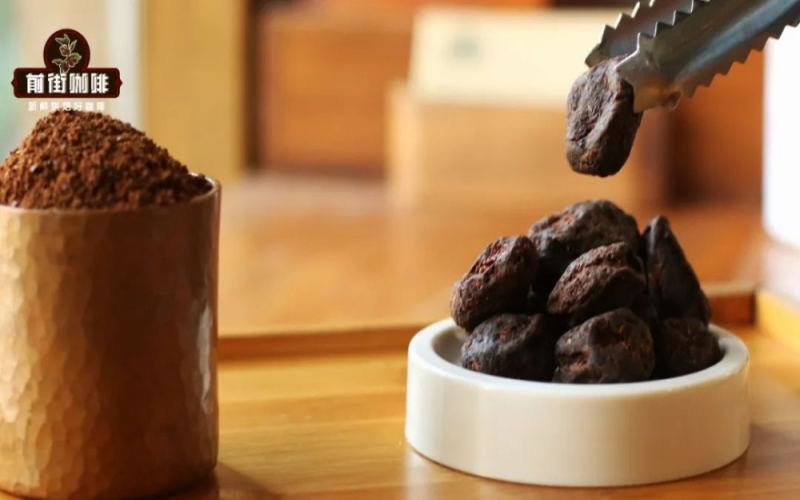
Three Ways to Make Plum Iced Americano: A Flavor Comparison of Cold Brew, Sparkling, and Iced Pour-Over
As a classic snack that weaves together sour, sweet, and salty notes, preserved plum has increasingly found its way into specialty coffee drinks in recent years. Because preserved plums are cured and thus fairly firm in texture, heating or prolonged steeping draws out an intense salty-sour flavor, making them better suited to iced coffee than hot drinks. Front Street Coffee shares three ways to make preserved plum iced coffee: an easy cold brew, a sugar-free sparkling Americano, and a slightly experimental iced pour-over. Each method has its own considerations when it comes to bean selection, the amount of preserved plum, and extraction parameters, and each ultimately presents a different layering of flavors. If you'd like to try the collision of preserved plum and coffee at home, why not pick the one that suits you best from these three approaches. [more…]
Three Iced Coffee Drinks with Preserved Plums: Comparing the Flavors of Cold Brew, Sparkling Americano, and Iced Pour-Over
The sweet, sour, and salty childhood snack of preserved plums actually makes frequent appearances in the world of coffee, too. From the dry aroma associations of Kenyan washed beans to the finishing touch baristas add when developing specialty drinks, the pairing of preserved plums with iced coffee is drawing attention from more and more enthusiasts. Since preserved plums are mostly dried and cured, heating or prolonged steeping releases a strong salty-sour flavor, so Front Street believes they are better suited to being combined with iced coffee. This article compiles three preserved plum iced coffee recipes you can make at home: preserved plum cold brew, preserved plum sparkling Americano, and preserved plum iced pour-over, using Panama sun-dried Butterfly, Sunflower Warm Sun blend, and Elida sun-dried Catuai respectively, with specific parameters and flavor descriptions included for readers with different taste preferences to refer to and choose from. [more…]
How to brew coffee from Tambo Estate in Cauca, Colombia? A detailed guide to pour-over and iced pour-over parameters and flavor
Front Street Coffee's Colombia Tambo Estate is a micro-lot from the Cauca Department, washed processed, and in cupping it presents a creamy, velvety mouthfeel with citrus-like acidity, a clean entry, accompanied by red brown sugar sweetness and notes of apple, caramel, Earl Grey tea, and plum, with a fresh lemon-like acidity in the finish and a lasting sweet aftertaste. This article centers on this bean, first outlining the terroir of the Cauca producing region and Colombia's grading methods, then providing Front Street Coffee's complete parameters for pour-over and Japanese-style iced pour-over, including grind size, water temperature, coffee-to-water ratio, and the staged pouring rhythm, to help coffee enthusiasts reliably reproduce its round, sweet flavor performance at home. [more…]
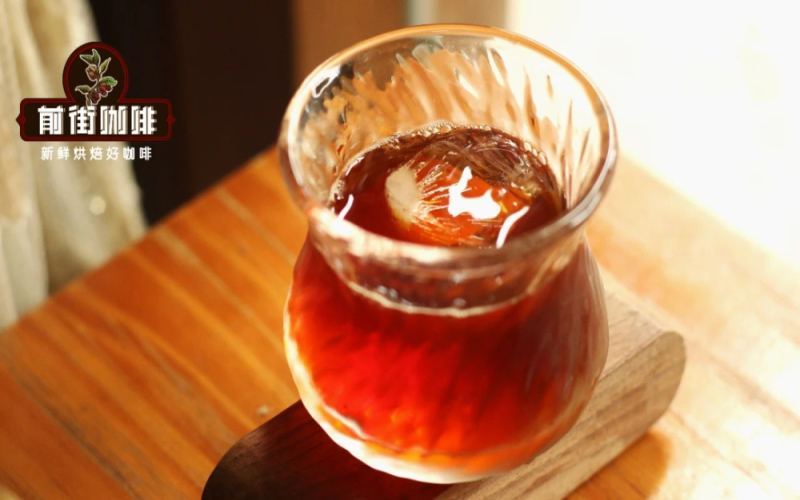
Summer Iced Coffee Brewing Guide: Four Iced Extraction Methods and Flavor Analysis of Front Street Coffee Gesha Village Chaka Beans
In the height of summer, a glass of ice-cold coffee always brings a uniquely refreshing experience. This time, Front Street Coffee has chosen the CHAKA sun-dried beans from Gesha Village and extracted them using four methods: hot pour-over, ice-fire brew, Japanese-style iced pour-over, and cold brew, to explore how the same beans express their flavors as temperature changes. Gesha Village CHAKA belongs to the estate's blended lot, composed of three varieties—Gori Gesha, Gesha 1931, and Illubabor. After a light roast, it presents a balanced profile of citrus, oolong tea, and cream. The different iced extraction methods bring out distinct layers of complexity, sweetness, and juiciness, making them well worth trying one by one for coffee enthusiasts. [more…]
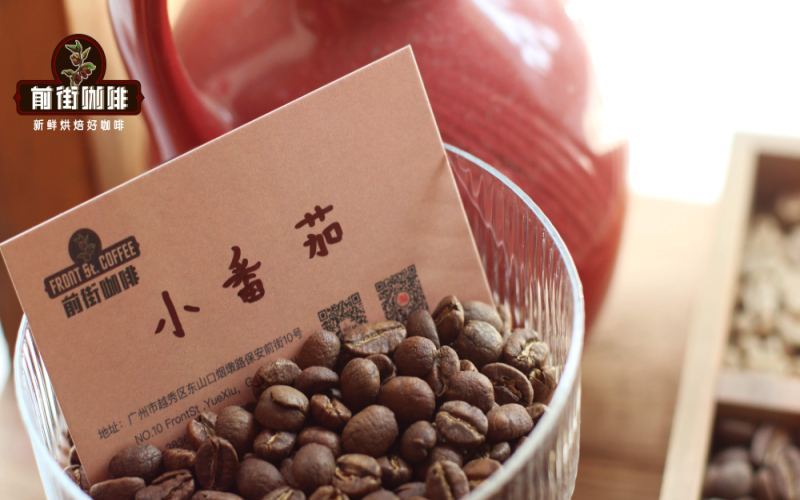
How Are Kenya Coffee Green Bean Grades Classified? What Is the Difference Between AA and TOP, and a Detailed Guide to Front Street Coffee's Pour-Over Parameters
Kenyan coffee is famous for its bright fruit acidity and clean mouthfeel. Its grading system is government-led, based on bean size and cupping score, and classifies green beans into eight grades: E, PB, AA, AB, C, TT, T, and MH/ML. AA is the most common specialty grade, while TOP is an additional quality designation marked by coffee traders after cupping. Front Street Coffee's Kenyan Little Tomato and AA TOP are representative examples. This article provides a detailed overview of Kenyan grading standards and, combined with Front Street Coffee's own-roasted Kenyan beans, shares the specific parameters and brewing techniques for hot pour-over and iced pour-over, helping coffee enthusiasts better bring out the cherry tomato, smoked plum, and creamy sweetness of this bean. [more…]
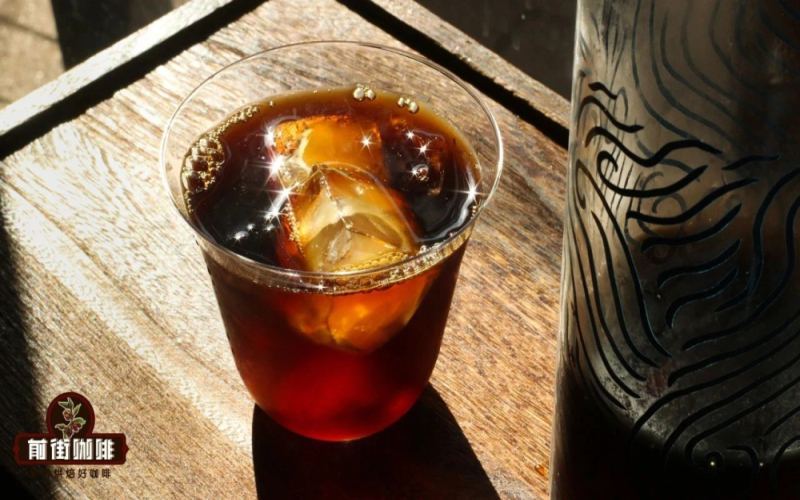
The Best Drinking Window for Hot Pour-Over and Cold Brew / Ice Drip Coffee: How Long Can It Be Stored After Brewing?
In the heat of summer, a glass of iced coffee always refreshes you instantly. But whether it's hot pour-over left to cool, or cold brew and ice drip coffee stored in the fridge, each has its own window of peak flavor. This article uses Front Street Coffee's Kenya Asalia as an example, first introducing the brewing parameters and flavors of hot pour-over and Japanese-style iced pour-over coffee, then breaking down in detail the methods, coffee-to-water ratios, extraction times, and refrigeration recommendations for cold brew and ice drip coffee. You'll learn: why hot black coffee should be finished before it cools completely, how cold brew coffee's flavor evolves within 5 days of refrigeration, why ice drip coffee is best consumed within 3–4 days, and how to adjust drinking timing based on fermentation time, so that every glass of iced coffee is at its best. [more…]

The Difference Between Cold Brew Coffee and Ice Drip Coffee: A Comprehensive Analysis from Brewing Methods to Flavor Expression
As Cold Brew gains popularity in the coffee world, more and more enthusiasts are starting to pay attention to the differences between cold brew coffee and iced coffee. Many people only realize after trying them that these two are completely different in terms of brewing method and taste presentation. At Front Street Coffee, you can easily find both types of coffee, but the products they represent may be entirely different. This article will start from the brewing principles of ice drip and iced brewing, compare the two in terms of extraction yield, flavor performance, and visual differences, and also discuss the method of iced pour-over, helping you understand the world of iced coffee more comprehensively. [more…]
How Should You Set the Pour-Over Water Temperature for Kenyan Coffee Beans? Flavor Differences Between Hot and Iced Brewing and an Analysis of the SL28 Variety
Kenyan coffee is renowned for its bright fruit acidity and full body, and when it comes to pour-over brewing, the choice of water temperature directly affects the final flavor presentation. Starting from the history and characteristics of the SL28 variety, this article analyzes the source of Kenyan coffee's acidity, and using washed Nyeri AA as an example, provides specific pour-over parameters and brewing techniques. It also explains why water that is too cool tends to produce sharp acidity rather than soft fruit acidity, helping enthusiasts understand the flavor differences between hot brew and iced brew scenarios. The article also includes knowledge about the AA grade classification, as well as relevant product information and brewing suggestions for the Front Street Coffee brand. [more…]
90+ Lookout Perci Panama Natural Geisha: Pour-Over Parameter Analysis and Cold Brew Recipe Sharing
90+ Outlook Perci is a natural Geisha coffee from Panama's Geisha estate, introduced and recommended by Front Street Coffee. Its flavor profile far exceeds the impression traditionally associated with Geisha—beyond the base notes of chamomile, orange blossom, and jasmine, it also presents rich layers of cherry, mango, pineapple, banana, plum, red grape, honey, and peach. This article explores the origin information, flavor characteristics, and brewing methods of this bean, providing detailed pour-over parameters from Front Street Coffee, including 15 grams of grounds, BG grinder 5R grind setting, 90°C water temperature, V60 dripper, and a complete process of segmented pouring to 220 grams, along with an iced extraction method for coffee enthusiasts' reference. [more…]

Exploring the bitterness differences between Americano and Espresso: Can iced Americano be made with pour-over or cold brew?
Is Americano or Espresso more prominently bitter? Without a coffee machine, can you use pour-over or cold brew instead to make an iced Americano? Starting from the compositional principles of Americano, this article breaks down its key preparation points and bean selection advice in detail, and recommends several Front Street brand coffee beans, including Front Street Dark Cocoa Blend, Front Street Golden Mandheling SOE, and more, helping beginners get started easily. At the same time, it compares the flavor differences between cold brew and pour-over coffee, and provides a list of floral and fruity beans suitable for low-temperature brewing, such as Huakui, Red Cherry, Guodingding, and others, so you can make a refreshing, sweet, and smooth iced coffee at home too. [more…]
Comparing the Bitterness of Americano and Espresso: Can Iced Americano Be Made with Cold Brew or Pour-Over?
How do Americano and espresso differ in their bitterness? How should coffee beans be chosen to make a delicious Americano? If there is no coffee machine, can cold brew or pour-over be used instead to make an iced Americano? Starting from the compositional principles of Americano, this article will analyze the influence of the espresso machine on flavor and provide specific brewing methods and parameter suggestions. At the same time, focusing on the two methods of cold brew and pour-over, it will explain their essential differences in mouthfeel from iced Americano, and recommend coffee bean types suitable for low-temperature extraction, helping coffee lovers find a suitable brewing path under different conditions. [more…]
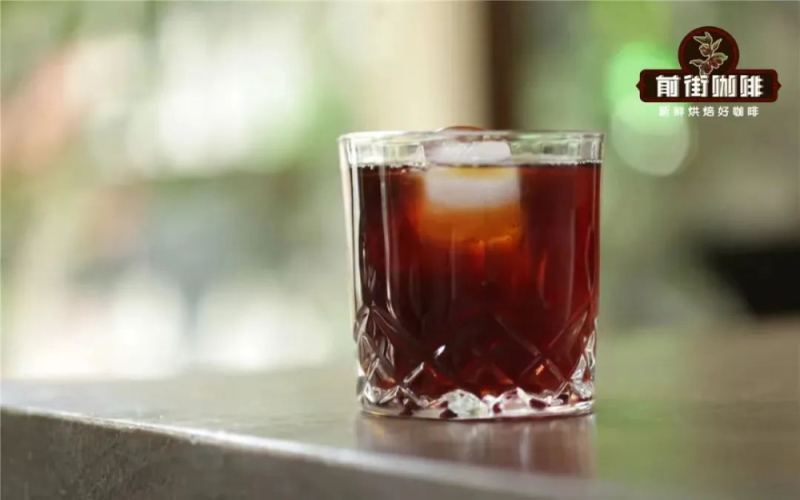
Making Cold Brew Coffee at Home in Summer: A Full Guide to Bean Selection and Simple Brewing Methods
On a scorching summer day, a glass of refreshing cold brew coffee is a favorite among many coffee lovers. Compared with iced pour-over, cold drip, or iced Americano, cold brew has a lower barrier to entry and can be easily made at home. This article starts with the extraction principles of cold brew, explains why light-to-medium roast coffee beans are more suitable for cold water immersion, and recommends a variety of Front Street Coffee beans, covering different flavor directions such as floral, berry, citrus, and creamy. It then breaks down in detail the coffee-to-water ratio, grind size, steeping time, and filtration steps, and answers common questions such as whether extraction can be done at room temperature and how long it can be stored refrigerated, so you can consistently make clean, full-bodied iced coffee at home. [more…]
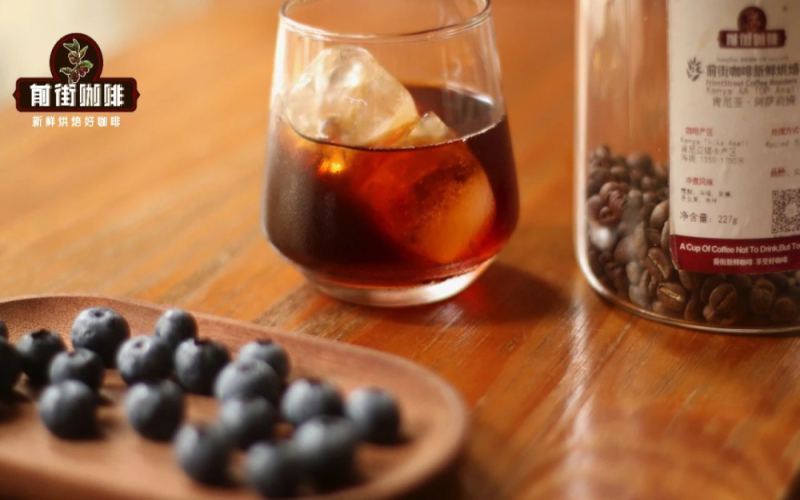
Kenya Nyeri Region Coffee Grading System and Flavor Characteristics: Examining the Sweet-Acid Balance of AA Washed Beans Through Front Street Cherry Tomato
Kenyan coffee is famous for its clean and refreshing, solid and bright juice-like acidity, but what exactly do the commonly seen "AA," "AB," and even "AA TOP" in China represent? This article starts with Kenya's official coffee bean grading system, sorting out the size, shape, and quality differences among the eight grades AA, AB, PB, E, C, TT, T, and MH/ML, and explains that secondary grading labels such as TOP, Plus, and FAQ, which are independently set by exporters, are for reference only. It then focuses on the Thika producing region, introducing its geographical location, cultivation history, and variety structure mainly consisting of SL28 and SL34, and combines the cupping performance, light roast approach, and iced pour-over parameters of Front Street Coffee's Kenya Cherry AA-grade washed beans to present the cherry tomato, smoked plum, and snow pear-like acidity and honey sweetness of this producing region. [more…]
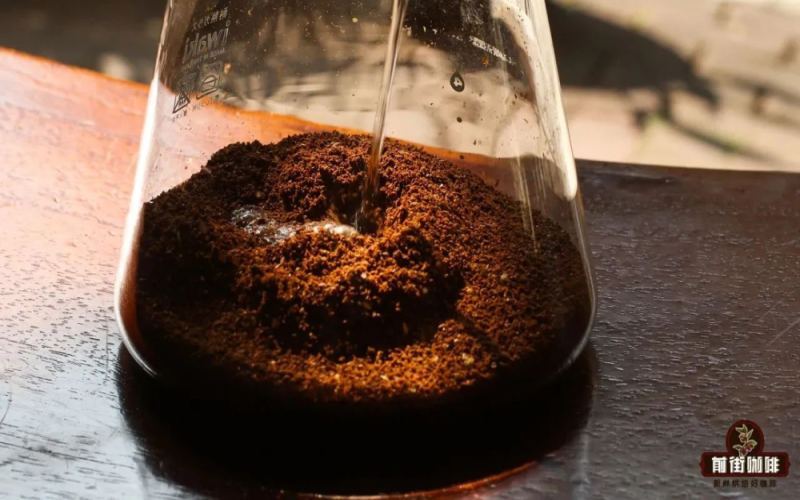
How to Make Cold Brew, Ice Drip, and Japanese Iced Coffee? A Detailed Guide from Extraction Principles to Front Street Kenya Beans in Practice
The iced coffee family has many members—cold drip, Japanese-style iced coffee, and cold brew coffee each have their own tricks. Where exactly do their methods and flavors differ? Using Front Street Kenya Little Tomato coffee beans as a practical case study, this article systematically sorts out the extraction logic of four types of iced coffee: the essential difference between hot brewing with rapid cooling and low-temperature slow extraction, the techniques for adjusting the coffee-to-water ratio and grind size in Japanese-style pour-over iced coffee, the steeping time and fermentation changes of cold brew coffee, and the key points of drip flow rate and overnight mellowing in cold drip coffee. It also includes Front Street's pour-over parameters, complete brewing steps, and flavor descriptions for each type of iced coffee, helping you find the cup of refreshing coffee that suits your taste. [more…]
What exactly is the difference between cold brew and ice drip? A summer guide to choosing single-origin coffee beans for cold brewing
Summer is here, and iced coffee has become a favorite for many. But can you tell the difference between cold brew, ice drip, Japanese-style iced pour-over, and cold steeped coffee? Although they are all called "iced coffee," their brewing principles and flavor profiles are quite different. This article uses Front Street Kenya Small Tomato coffee beans as an example to compare the similarities and differences of several iced coffees, from extraction methods and parameter settings to the final flavor. At the same time, FrontStreet Coffee also shares specific recipes for cold brew and ice drip to help you find the perfect refreshing cup for you. [more…]

Caffeine Calculation | Is cold brew coffee high in caffeine? What are the taste and flavor characteristics of cold brew coffee? What is the specific process for making cold brew?
For more specialty coffee knowledge, please follow: Front Street Coffee (Frontsteet Coffee). Coffee has become an indispensable part of everyone's work and life, especially in today's fast-paced, high-pressure environment, where a cup of coffee in the morning is even more necessary to wake you up. But [more…]

How to Choose Berry-Flavored Coffee Beans: Drinking Differences from Light to Medium-Dark Roasts
If you want to drink coffee with a clear berry flavor, the roast level is a very useful screening clue. Light roasts are more likely to retain the bright notes of fresh strawberries, raspberries, and red currants; medium roasts push the fruitiness toward jam, smoked plum, or ripe berries; and darker roasts often present a combination of dried berries, cocoa, and caramel. First, decide what you want. [more…]
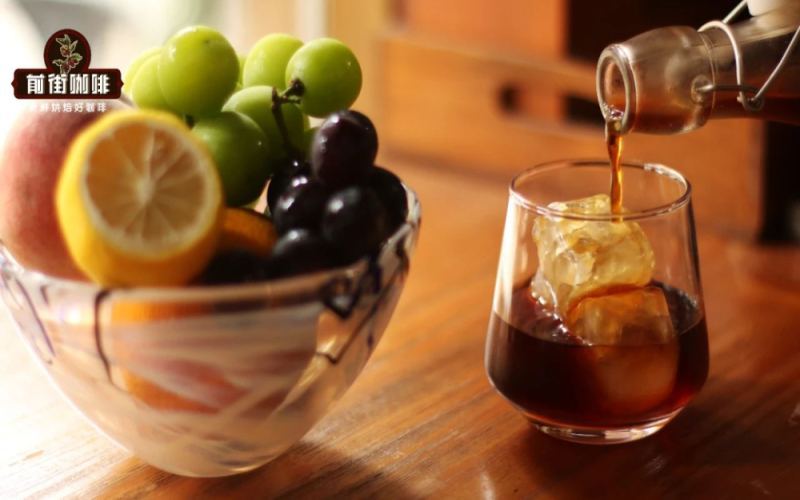
From Extraction Methods to Flavor Presentation: An In-Depth Analysis of Iced Americano, Cold Brew, and Cold Drip Coffee
In the heat of summer, iced coffee becomes the top choice for many. From the perspective of Front Street Coffee, this article systematically analyzes three popular iced drinks—iced Americano, cold brew, and ice drip coffee—covering their extraction processes, flavor characteristics, and practical brewing methods. Iced Americano uses hot water for rapid extraction plus ice, making it quick but relatively light in flavor; cold brew uses low-temperature long-time immersion to amplify purity; ice drip relies on cold water slowly filtering drop by drop to produce a smooth mouthfeel. The article not only details the specific steps for making iced Americano with Front Street Coffee's own Sunflower Warm Sun blend, various cold brew packs, and Sherry bean cold brew, but also reveals the ice drip blend recipes for single-origin beans such as Kenya, Huakui, and Sherry, providing coffee lovers with a professional and practical guide to summer cold drinks. [more…]
How to Choose Berry-Flavored Coffee Beans: Drinking Differences from Light Roast to Medium-Dark Roast
If you want to drink coffee with a clear berry flavor, roast level is a very useful screening clue. Light roasts more easily preserve the bright aromas of fresh strawberries, raspberries, and red currants; medium roasts push the fruitiness toward jam, smoked plum, or ripe berries; and darker roasts often present a combination of dried berries, cocoa, and caramel. First determine what you want. [more…]

Why Does Cold Brew Coffee Have a Unique Flavor? How Does It Compare to Hot Coffee? Plus Four Front Street Cold Brew Bean Recommendations
Iced coffee is refreshing and cuts through richness, and even in the depths of winter, many customers make a special trip to Front Street to order a cup. Cold brew and hot brew have completely different extraction principles, and their flavor profiles each have their own strengths. This article begins with the origins of cold brew coffee, sorts out the flavor logic of low-temperature slow extraction, and shares details to note when making cold brew, such as bean selection, grinding, coffee-to-water ratio, and steeping and storage. It also presents four floral-and-fruity Front Street single-origin beans suitable for cold brew—Natural Huakui, Kenya Little Tomato, Colombia Sidra, and Panama Butterfly—to help you find your own cup of icy, sweet-tart refreshment. [more…]